

Loyalty Programme Pilot: Prove the Guest Journey Before You Expand
· Jasmine Apps
Your most enthusiastic loyalty members may already be your most frequent customers. If you compare their spending with everyone else and call the difference new business, your loyalty programme pilot can appear successful before it changes a single visit. You need to separate a working reward journey from evidence that the offer influences behaviour.
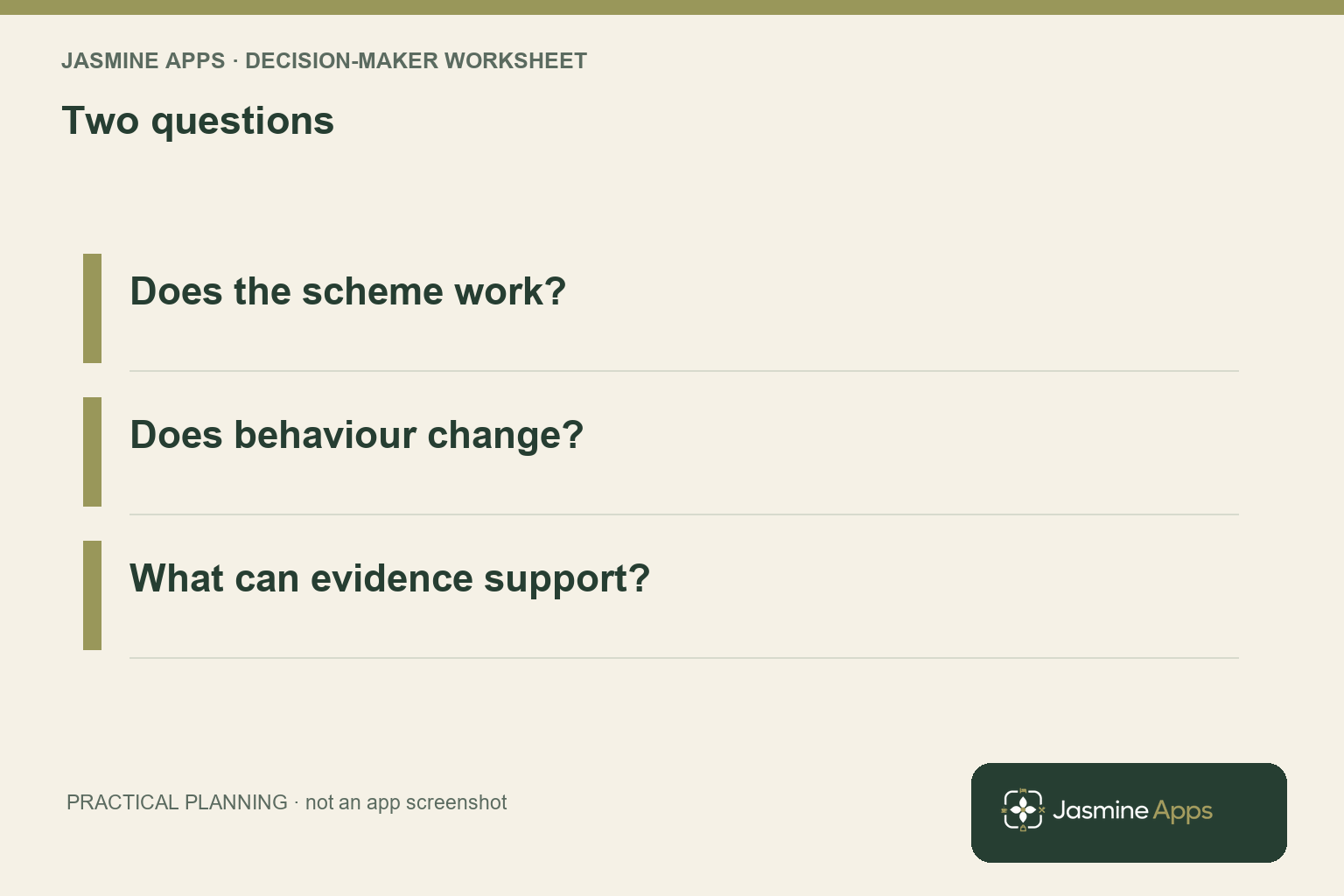
Your first pilot should therefore test two things: whether guests and staff can use the scheme, and whether the commercial outcome justifies extending it. You can answer those questions with a focused offer, clear records and a decision rule agreed before launch.
Key Takeaways
- Choose one guest group and one understandable reward.
- Set the pilot’s success criteria before collecting results.
- Test earning, redemption and venue eligibility end to end.
- Separate existing regulars from evidence of additional visits.
- Review reward costs and guest questions before expanding.
Design your loyalty programme pilot around a testable offer
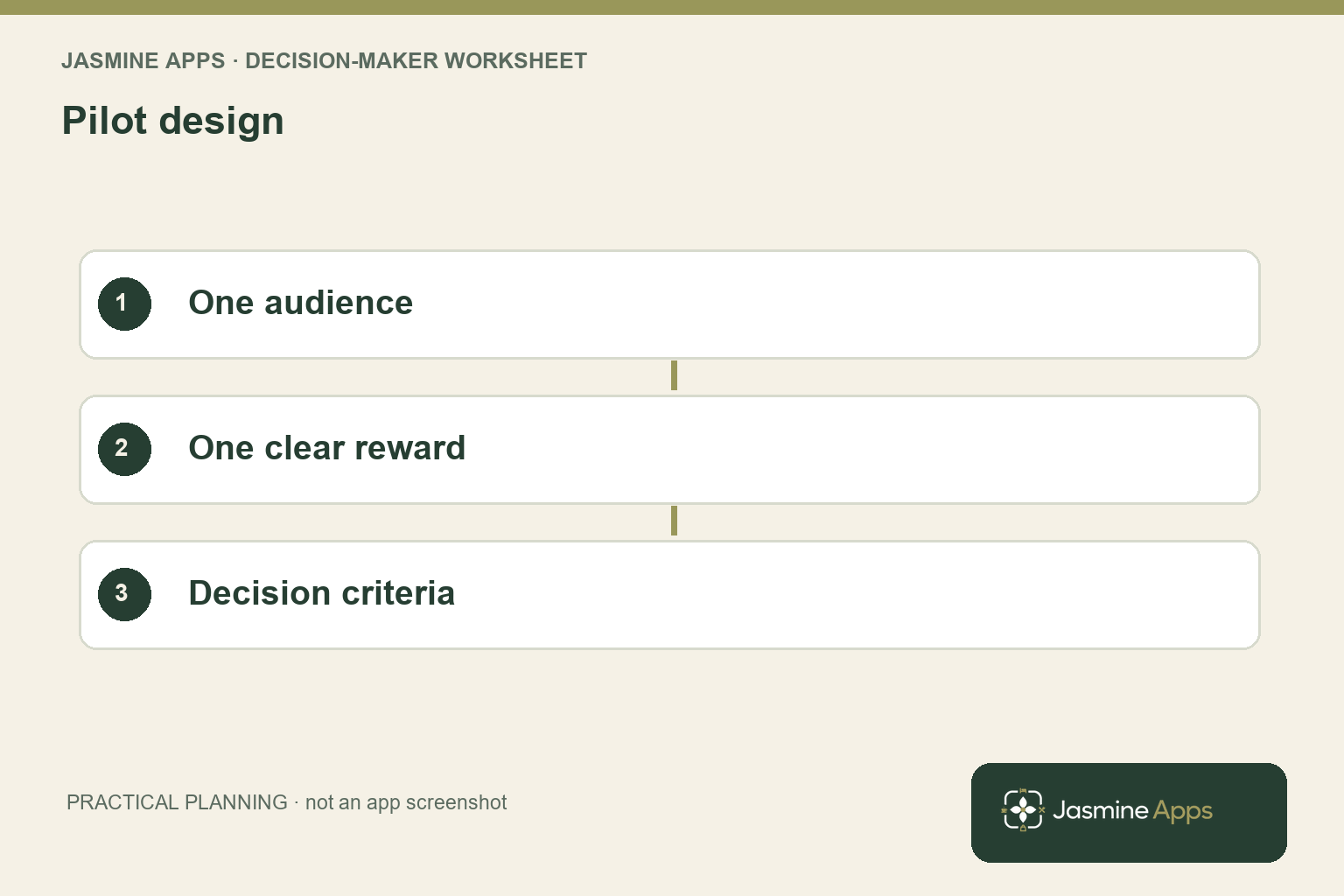
Choose an audience whose normal visiting pattern gives them a realistic chance to use the reward. Your local coffee customers may have a different cycle from guests attending an annual celebration. State what you hope to change, such as a return visit during a quieter service, rather than use sign-ups as your whole objective. Your offer should fit that behaviour and the supported scheme.
Keep the explanation simple enough for staff to use naturally. Define eligible spend, the reward, participating venues and any material exclusions before printing or promoting it. Check the cost of supplying the reward and whether it might replace a purchase the guest would otherwise make. Your pilot should test a commercially considered offer, not use a generous reward to make registration numbers look impressive.
Set separate operational and commercial criteria. Operational criteria might concern correct member attachment, understandable points and successful authorised redemption. Commercial criteria should address additional contribution, return behaviour and the cost of the offer, using evidence you can obtain. Keep both visible because a scheme can work technically while remaining unattractive to guests or financially unhelpful to your venue.
The Visa merchant loyalty paper provides an external reference on evaluating loyalty and reward engagement. Use it as context rather than importing a universal uplift target. Your decision needs your audience, scheme and cost assumptions. Agree the review date and evidence requirements before launch so you do not redefine success after seeing the first set of results.
Ask a colleague to repeat the reward explanation without reading the configuration screen; revise the wording if the practical offer changes in the retelling.
Run your loyalty programme pilot through the actual app
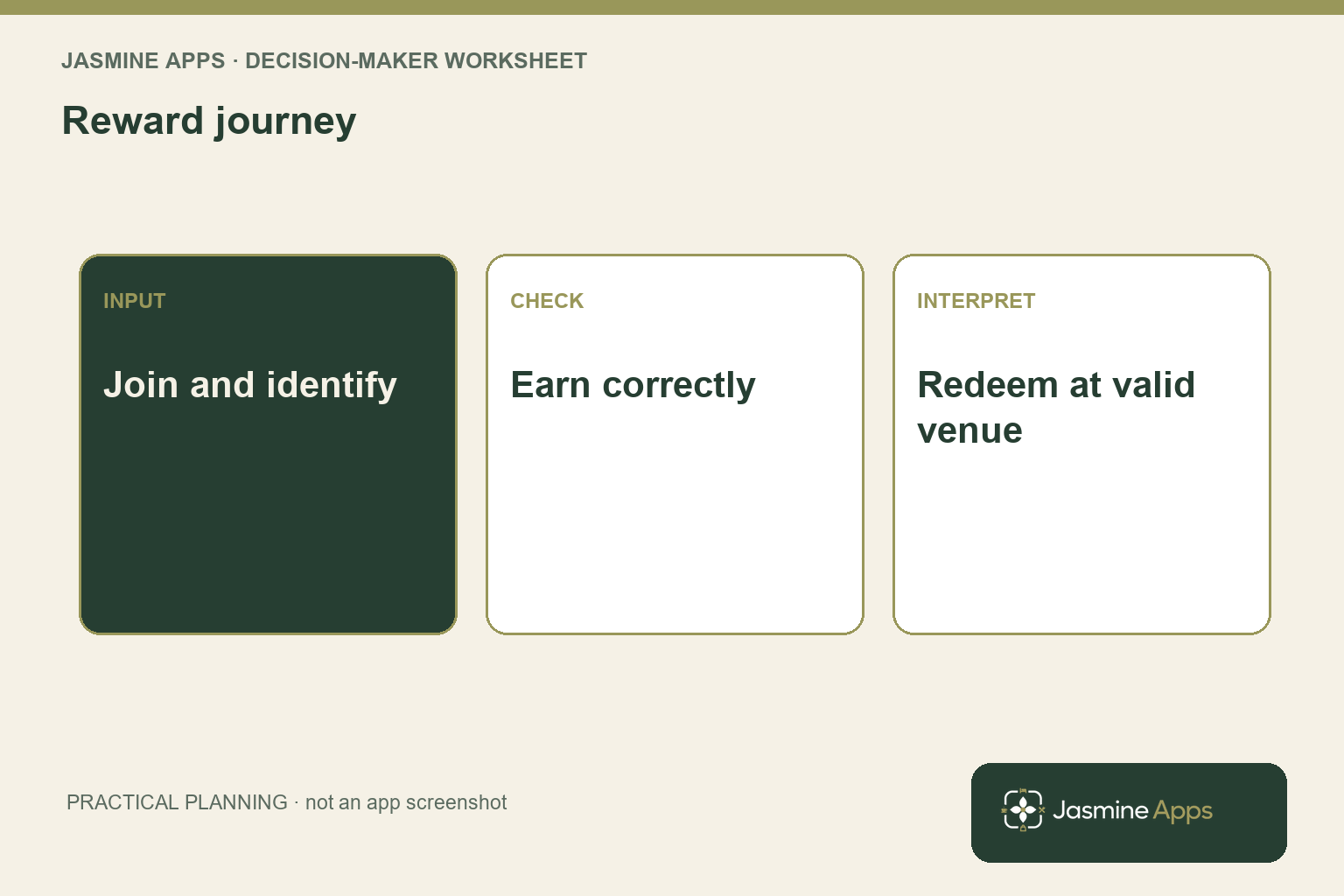
Use Jasmine Loyalty’s current scheme and package settings to inspect the offer you intend to test. The actual scheme distinguishes points per pound, redemption settings and venue scope. A named reward package has its own points requirement and participating venues. Your staff should understand that a points balance, its configured cash value and eligibility for a particular package are separate checks.
The actual package settings warn that a venue not selected will not accept the package barcode on its till. Include venue eligibility in your pilot rehearsal rather than assuming shared branding creates universal redemption. Ask your colleague to explain the offer from the guest’s point of view, including where they can use it. Review the scheme setup guide before announcing the rules.
Use an authorised test journey for joining, identifying the member, earning and redeeming. If you also use Till Jasmine, demonstrate the supported member-to-sale workflow on the intended installation. Keep uncertain transactions and corrections under your approved procedure. Your pilot should not create unexplained reward adjustments merely to make the expected balance appear.
Keep membership and marketing permissions distinct. The ICO electronic-mail marketing guidance is the appropriate reference when you plan promotional email. A guest using a reward does not automatically establish permission for every message. Review your approved collection and communication process before linking a practical loyalty pilot with a wider marketing campaign.
Ask your employee to explain why the test reward is valid here, then check whether the guest-facing rule sheet gives the same answer without access to the dashboard.
Evaluate your loyalty programme pilot before scaling
Collect the operational questions while they are fresh. Record misunderstood exclusions, incorrect member selection and rewards guests expected but could not use. Identify which issue belongs to offer design, staff guidance or configuration. You should resolve those distinctions before training another venue, otherwise expansion multiplies the same uncertainty and makes the cause harder to identify.
Measure returns on a consistent basis. Compare similar periods and note changes in service hours, prices, events or promotion. If you can use a suitable comparison group, explain how it was selected and the limitations that remain. Your most loyal regulars are not automatically an unbiased comparison with occasional visitors.
Keep any claim about additional behaviour proportionate to the evidence rather than infer causation from membership alone.
Review the costs alongside activity. Your register should distinguish rewards earned, rewards redeemed, supply costs, administration and any relevant software or setup commitment. Do not count all member spending as incremental revenue. Your finance lead should examine additional contribution and the risk of replacing paid purchases with rewards.
A high redemption count can show engagement while still requiring a review of the offer’s economics.
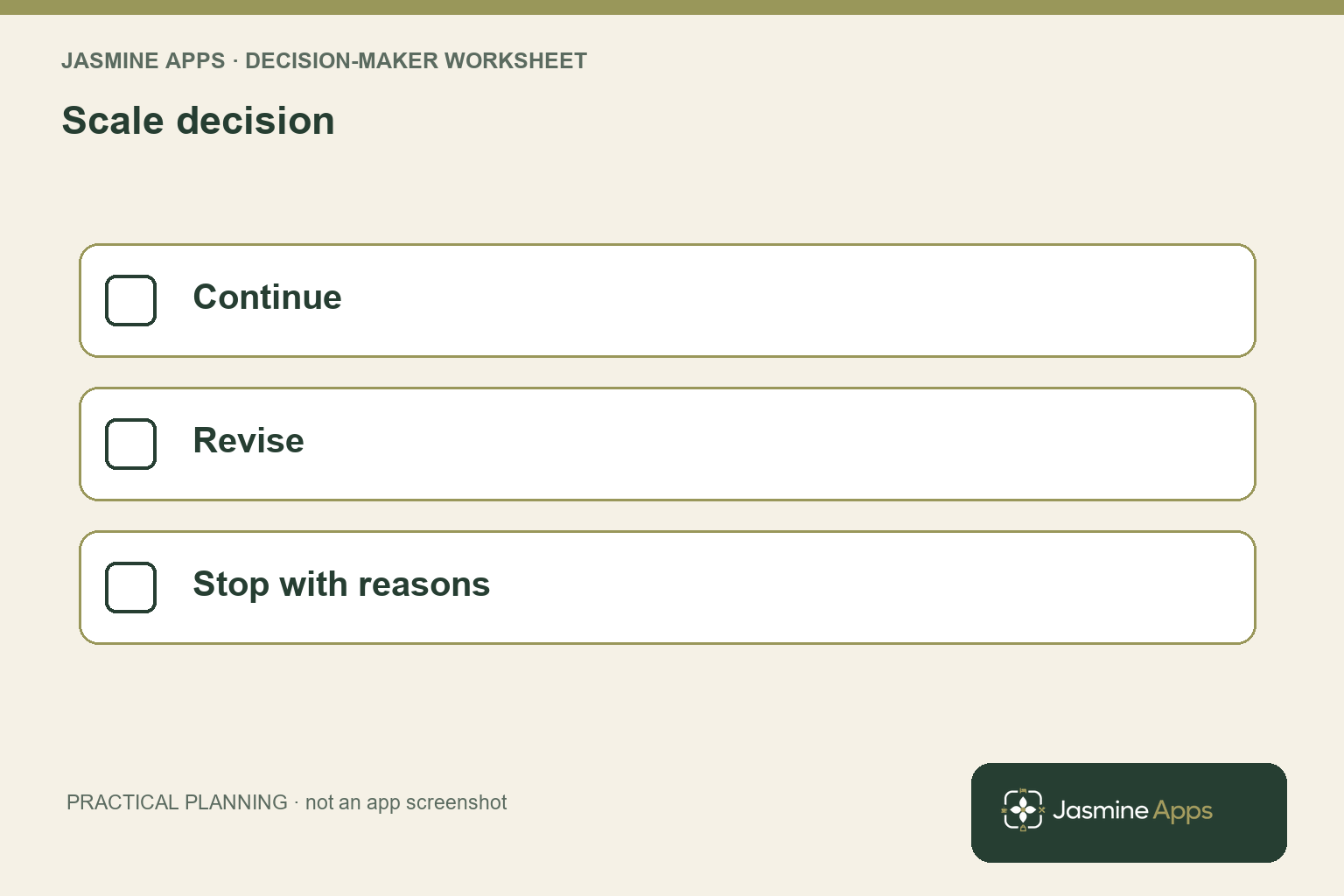
Use Jasmine Loyalty’s feature page to discuss the supported scope of the next stage. Before extending the pilot, confirm venue participation, staff readiness and the specific problems resolved. Choose to continue, revise or stop against your original criteria, with the reasons recorded. Your pilot has done useful work even if it prevents a costly wider rollout of an offer guests do not understand or your team cannot operate consistently.
Pro Tips and Common Mistakes
Pro Tips
Keep a decision rule before launch. Write what evidence would justify expansion and what would require revision. Your review then has a stable standard instead of a target that moves to match whichever number looks encouraging.
Test the guest’s second visit. Joining can be straightforward while remembering the offer or finding the card later is difficult. Rehearse recognition, balance checking and the next eligible action, not just registration.
Separate uptake from additional behaviour. Track whether the scheme is used and whether your commercial objective changes. Both matter, but they answer different questions and should not occupy the same line in your recommendation.
Common Mistakes
Counting every member sale as new revenue fails because regulars may have bought the same items without the programme. Review additional contribution with an appropriate comparison and stated limitations.
Expanding before testing venue eligibility fails because a guest can earn confidence in one site and face a refusal in another. Verify package participation and the actual redemption journey.
Changing the reward during the pilot without a record fails because your results then combine different offers. Preserve the version and date of each change before interpreting the outcome.
Your final review should explain what the pilot taught you about the offer, the workflow and the commercial case. A smaller next step supported by evidence is more useful than a large rollout justified by registration totals alone.
Keep the pilot’s operational incident log beside the commercial summary so a high activity total does not conceal repeated failures in member identification or reward eligibility. Before expanding, ask a colleague from the next venue to explain the tested offer and identify the remaining local configuration checks that still need completion.
Frequently asked questions
What is a loyalty programme pilot?
It is a limited test of your proposed reward offer, guest journey and operating process before you extend the scheme. Choose a defined audience, participating venue scope and success criteria. Test whether staff and guests can earn and redeem correctly, then review commercial outcomes and costs. Your pilot should produce a decision to continue, revise or stop.
It is not simply a launch with fewer customers, because you need a clear question and evidence that can answer it.
How long should your loyalty pilot run?
Choose a period that gives your intended audience a realistic opportunity to return and use the offer. Your commuter café and occasional dining audience may require different review windows. Define the evidence you need before setting the duration, and note seasonal or service changes during the test. You should not adopt a universal timetable as proof of success.
Review both operational reliability and the commercial question, extending the pilot only when a meaningful uncertainty remains to be resolved.
How do you measure loyalty programme success?
Measure correct use, guest understanding, return behaviour, redemption and the relevant costs against your stated objective. Keep sign-ups separate from additional contribution. Compare similar conditions and disclose the limitations of any comparison group or before-and-after analysis. You should also review staff questions and unsuccessful reward journeys, because those can undermine expansion even when activity looks high.
Your success definition belongs in the pilot plan before launch, so the final recommendation uses a consistent standard.
Should you pilot loyalty in every venue at once?
Start with a scope you can manage and verify, while choosing a service that represents the intended offer. Confirm participating venues and package eligibility before communicating a wider promise. A smaller pilot makes it easier to identify whether a problem comes from the reward, staff guidance or configuration. You can then test the next venue with the lessons recorded.
Do not assume a successful journey at one site proves every other venue’s permissions, prices and redemption arrangement are ready.
Can joining loyalty count as consent to marketing emails?
Do not assume membership supplies permission for promotional email. Your communication process must meet the applicable requirements for the messages and audience involved, using the ICO’s current guidance and your approved privacy arrangements. Keep reward participation and marketing permissions distinguishable in your operational records. You can explain and operate the scheme without making an unsupported promise about future communications.
Review the collection process before launch rather than treating a growing member list as an automatically available marketing audience.
Make your loyalty programme pilot a useful decision
Your loyalty programme pilot should show whether your guests understand the offer, your team can deliver it and the commercial case supports expansion. Bring your intended audience, reward and participating venues to Contact Us. Request a Jasmine Loyalty demonstration of earning and redemption around that plan, so you can test the right journey before committing your wider operation.